

Gut health and prostate wellness are two aspects of men’s health that are rarely discussed together—but research increasingly shows that they are deeply intertwined. Most men are unaware that what happens in their digestive system can have a significant impact on their urinary comfort, hormonal balance, and long-term vitality.
If you’ve ever struggled with digestive discomfort, sluggish metabolism, or frequent nighttime bathroom visits, the connection between your gut and your prostate might be playing a bigger role than you think. Understanding this relationship opens the door to more holistic, proactive steps that support your overall wellness—naturally and without extremes.
This article will walk you through 7 powerful reasons why your gut health and prostate wellness are connected, and what you can do today to start improving both. Whether you’re over 40 or just starting to think about aging well, this guide is for you.
Contents
- 1 1. Your Gut Controls Systemic Inflammation
- 2 2. The Microbiome Shapes Your Hormonal Balance
- 3 3. Nutrient Absorption Directly Affects Prostate Function
- 4 4. Gut Bacteria Influence Prostate Tissue Through the Immune System
- 5 5. Digestive Disorders Often Coincide with Prostate Symptoms
- 6 6. Sleep and Circadian Rhythm Link the Gut and Prostate
- 7 7. Probiotic Strains May Directly Benefit the Prostate
- 8 Conclusion: Gut Health and Prostate Wellness Go Hand in Hand
- 9 Recommended: ProstaWay by SpringWay
- 10 Internal Resources to Continue Learning
- 11 FAQ: Gut Health and Prostate Wellness
- 11.1 What is the connection between gut health and prostate wellness?
- 11.2 Can improving digestion really help my urinary symptoms?
- 11.3 What supplements are good for both gut and prostate health?
- 11.4 How often should men over 40 monitor prostate wellness?
- 11.5 Is it safe to take probiotics and prostate supplements together?
1. Your Gut Controls Systemic Inflammation
Why Inflammation Matters to Your Prostate
One of the most important reasons gut health and prostate wellness are linked is inflammation. When your digestive tract is imbalanced—due to poor diet, stress, medications, or low microbial diversity—it can lead to chronic low-grade inflammation. This kind of inflammation doesn’t just stay in your gut. It spreads throughout your body, affecting your joints, skin, energy levels, and yes—your prostate.
The prostate is a hormone-sensitive organ, and inflammation can make it more reactive, contributing to discomfort, swelling, or urinary frequency. That’s why reducing inflammation through gut support is a smart long-term strategy for prostate health.
How to Calm Inflammation Through the Gut
- Eat more anti-inflammatory vegetables like broccoli, spinach, and cauliflower
- Cut back on sugar, processed snacks, and fried foods
- Incorporate omega-3s from flaxseed or wild-caught salmon
- Drink plenty of filtered water
- Support your gut lining with foods rich in zinc and fiber
Takeaway: When your gut is calm, your prostate is more likely to stay calm, too. That’s a win-win for your comfort and confidence.
2. The Microbiome Shapes Your Hormonal Balance
Testosterone, Estrogen, and the Gut
Your gut bacteria play a surprising role in how your body processes and balances hormones—including testosterone and estrogen. Certain gut microbes help regulate the conversion and elimination of these hormones, while a disrupted gut may cause imbalances that affect everything from your energy levels to your urinary habits.
In men, declining testosterone and rising estrogen can influence prostate tissue, especially after age 40. Keeping your microbiome healthy helps maintain hormonal harmony naturally.
Signs of Hormonal Disruption
- Unexplained fatigue
- Low libido or performance issues
- Increased belly fat
- Mood swings or irritability
- Frequent urination or nighttime bathroom visits
If you’re experiencing these symptoms, looking at your gut health may be a helpful place to start—not just your hormones.
3. Nutrient Absorption Directly Affects Prostate Function
The Gut-Prostate Nutrient Pipeline
Another major connection between gut health and prostate wellness is nutrient absorption. Your gut is responsible for breaking down food and delivering key vitamins and minerals to your bloodstream. If your digestion is sluggish or your gut lining is compromised, you may not be absorbing enough zinc, magnesium, selenium, or vitamin D—all critical nutrients for prostate tissue and urinary flow support.
Without adequate nutrition, the prostate may become more prone to inflammation, oxidative stress, and tissue imbalance. Supporting your digestion means supporting your nutrient pipeline—and, in turn, your prostate.
Gut-Friendly Foods Rich in Prostate Nutrients
- Oysters, pumpkin seeds, and cashews for zinc
- Spinach, almonds, and black beans for magnesium
- Brazil nuts and eggs for selenium
- Fatty fish and mushrooms for vitamin D
Tip: Don’t just supplement—optimize your gut to absorb what you eat. That’s where real transformation starts.
4. Gut Bacteria Influence Prostate Tissue Through the Immune System
How Microbes Regulate Inflammation and Immunity
The immune system doesn’t just defend you from colds or infections—it plays a direct role in managing inflammation inside your organs, including the prostate. When your microbiome is balanced, your immune system stays alert but calm. When your gut is inflamed or lacking diversity, immune cells become hyperactive, triggering reactions in distant tissues.
This is where the relationship between gut health and prostate wellness becomes incredibly clear. An inflamed gut can lead to immune signals that aggravate the prostate, leading to swelling, pressure, and discomfort. In contrast, a healthy microbiome trains your immune system to regulate responses without overreacting.
Immune Signals and Prostate Discomfort
Prostatitis-like symptoms without infection—such as urgency, burning, or pressure—are increasingly believed to be influenced by the gut-immune axis. Many men experience these symptoms without a clear medical cause, and restoring gut balance often brings relief over time.
How to Support the Gut-Immune Connection
- Consume fermented foods like kefir, kimchi, or unsweetened yogurt daily
- Prioritize gut diversity by eating 30+ different plant foods weekly
- Avoid excessive alcohol, which damages gut lining and weakens immunity
- Use targeted supplements with probiotics and plant polyphenols
Takeaway: When your gut flora thrive, your immune system learns to protect—not attack. That’s essential for maintaining both comfort and confidence as you age.
5. Digestive Disorders Often Coincide with Prostate Symptoms
It’s not a coincidence that men with irritable bowel syndrome (IBS), constipation, or bloating also report issues like urinary urgency or difficulty emptying the bladder. The gut and prostate are physically close and neurologically linked. Nerves, blood vessels, and immune cells operate across both systems.
When the colon is inflamed, distended, or sluggish, it can press against the prostate and bladder. Inflammation in one area can “echo” in the other, leading to compounded symptoms that are hard to treat unless both systems are addressed together.
How to Know If Gut Dysfunction Is Affecting Your Prostate
Here are warning signs that digestive issues may be contributing to prostate or urinary discomfort:
- Gas or bloating before urination
- Relief in urinary flow after a bowel movement
- Constipation that worsens urinary pressure
- Fluctuations in urinary stream alongside gut flare-ups
While not always diagnostic, these symptoms are strong indicators that improving gut health may positively impact your prostate wellness.
Practical Digestive Strategies That Help
- Drink warm lemon water in the morning to stimulate digestion
- Use a squatty potty or footstool to improve bowel mechanics
- Include gentle fiber sources like cooked oats, chia seeds, and bananas
- Practice diaphragmatic breathing to relax abdominal tension
Gut health and prostate wellness are often disrupted together—but they can also heal together, when supported correctly.
6. Sleep and Circadian Rhythm Link the Gut and Prostate
The Role of Sleep in Digestive and Urinary Function
Sleep is when your body repairs tissue, balances hormones, and recalibrates the gut microbiome. Poor sleep disrupts melatonin, which influences digestion, inflammation, and prostate tissue integrity. Men who wake multiple times per night often experience both digestive upset and urinary frequency.
That’s not a coincidence—it’s the rhythm of your body being thrown off.
Signs Your Circadian Rhythm Is Misaligned
- Nighttime waking to urinate (more than once per night)
- Waking up tired despite 7–8 hours in bed
- Late-night cravings or snacking
- Digestive upset after dark
Tips to Rebalance Your Internal Clock
- Go to bed and wake up at the same time daily (even weekends)
- Avoid blue light and screens after 8pm
- Eat your last meal 2–3 hours before bed
- Supplement with magnesium glycinate if needed to support relaxation
Remember, gut health and prostate wellness don’t exist in isolation. Your entire system works on a 24-hour rhythm that’s essential to long-term male vitality.
7. Probiotic Strains May Directly Benefit the Prostate
Targeted Gut Flora That Influence Male Health
Not all probiotics are created equal. Some strains have shown specific benefits not just for digestion—but also for prostate and urinary tract health. These include:
- Lactobacillus reuteri: Linked to testosterone support and immune regulation
- Bifidobacterium longum: Known for anti-inflammatory action in the gut and bladder
- Lactobacillus plantarum: Supports gut lining integrity and nutrient absorption
By restoring healthy gut flora, these probiotics can reduce systemic inflammation, improve hormonal balance, and support smoother urinary function—all while enhancing digestion.
What to Look for in a Men’s Probiotic Formula
- Multiple strains with clinical research
- At least 20–40 billion CFUs (colony-forming units)
- Prebiotics like inulin or FOS for gut nourishment
- Capsules that survive stomach acid for proper delivery
Adding the right probiotic can be one of the simplest ways to improve both gut health and prostate wellness—especially when combined with diet and lifestyle changes.
Consistency Over Perfection
There’s no need to overhaul everything at once. Focus on sustainable progress. Even small, consistent improvements to your digestion and routine can ripple outward, benefiting your energy, sleep, and urinary comfort.
Takeaway: Gut health and prostate wellness are not about extremes—they’re about attention, intention, and action over time.
Conclusion: Gut Health and Prostate Wellness Go Hand in Hand
We’ve explored seven powerful reasons why gut health and prostate wellness are inseparable parts of a man’s long-term health strategy. From controlling systemic inflammation to influencing hormones, digestion, immunity, and even sleep—your gut plays a vital role in how your prostate functions and how you feel daily.
The most inspiring part? You’re not powerless. Every meal you eat, every breath you take mindfully, every moment you choose fiber over fast food or take a walk instead of watching TV—these are deposits into your future vitality.
Your body was designed for balance. When you nourish your microbiome, your body responds with better clarity, smoother digestion, improved urinary flow, and even renewed confidence in your health as a man.
Take control of your gut. And you may just reclaim your prostate wellness in the process.
Your Next Step Starts Today
- Choose at least one gut-friendly food to add to your meals this week
- Cut one processed or inflammatory item from your daily routine
- Try a daily probiotic or fiber-rich smoothie
- Start moving again—even 15 minutes per day makes a difference
If you’re ready to take your wellness journey seriously and naturally, consider integrating a prostate-support supplement that also respects your digestive balance.
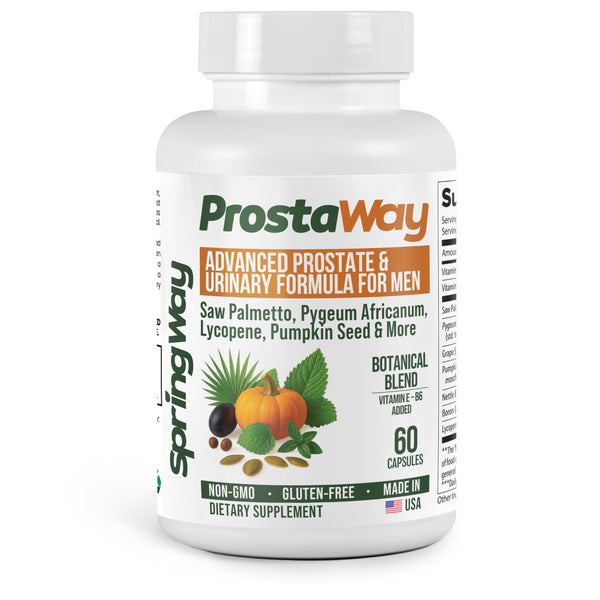
Recommended: ProstaWay by SpringWay
ProstaWay by SpringWay is a daily supplement formulated with premium natural ingredients to support men’s urinary flow and overall prostate balance. Each capsule contains a thoughtful blend of botanicals like saw palmetto, pygeum africanum, lycopene, and pumpkin seed extract. Designed for men 40 and over, it’s a convenient way to complement a health-conscious lifestyle focused on gut health and prostate wellness.
Internal Resources to Continue Learning
FAQ: Gut Health and Prostate Wellness
What is the connection between gut health and prostate wellness?
Your gut microbiome influences inflammation, hormone balance, and immune responses—all of which affect prostate tissue. A healthy gut can promote better urinary comfort and reduce inflammation-related discomfort in the prostate.
Can improving digestion really help my urinary symptoms?
Yes. Digestive issues like bloating, constipation, or inflammation can place pressure on the bladder and prostate. Improving digestion may help relieve urinary frequency or discomfort over time.
What supplements are good for both gut and prostate health?
Look for supplements with ingredients like saw palmetto, zinc, pumpkin seed, probiotics, and fiber. These support both digestive and urinary balance when used consistently and combined with healthy habits.
How often should men over 40 monitor prostate wellness?
While every man is different, annual checkups with a healthcare provider are recommended after age 40. Lifestyle factors like gut health can be proactively addressed throughout the year to support long-term outcomes.
Is it safe to take probiotics and prostate supplements together?
In general, yes. Many men benefit from combining both to support gut health and prostate wellness. However, always consult your healthcare provider before starting any new regimen, especially if taking medications.
