
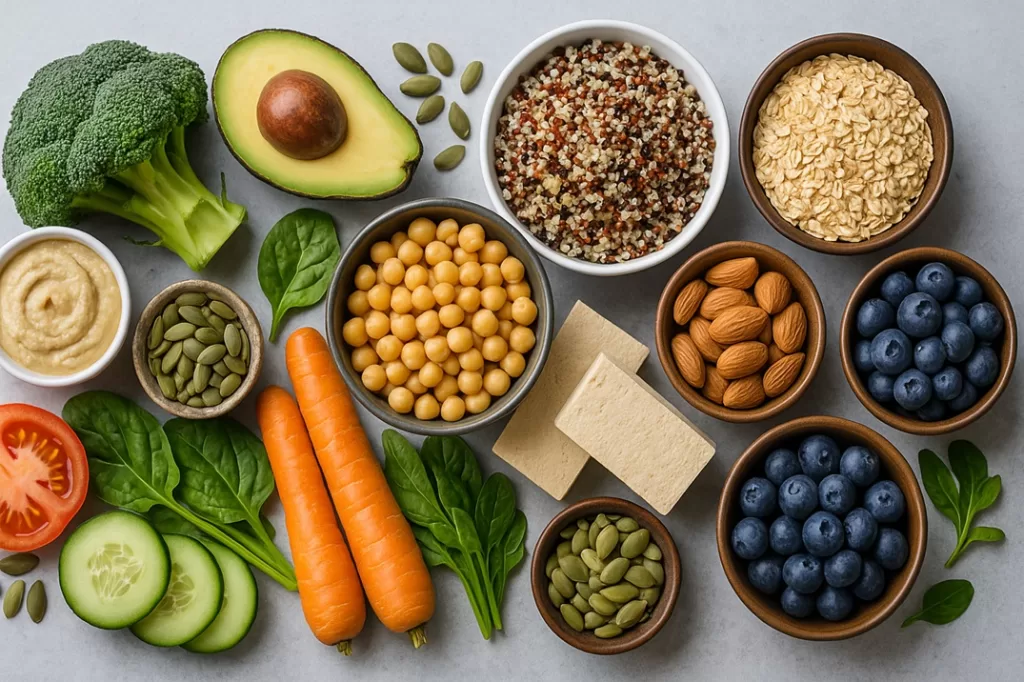
Plant-based diets are no longer a niche trend. From athletes and celebrities to everyday people seeking better health, more Americans are embracing this lifestyle. But beyond the hype, what are the real benefits of eating more plants? And how can you make the switch without feeling overwhelmed?
This comprehensive guide will walk you through the science-backed advantages of plant-based diets and provide practical, step-by-step tips to start your journey with confidence.
Contents
- 1 1. Why Plant-Based Diets Are Gaining Popularity
- 2 2. The Science Behind Plant-Based Diets and Health
- 3 3. Common Myths About Plant-Based Diets (Debunked)
- 4 4. Practical Tips to Transition to a Plant-Based Diet
- 5 5. Nutritional Considerations for a Balanced Plant-Based Diet
- 6 6. Simple and Delicious Plant-Based Recipes to Try
- 7 7. Sustainability and the Bigger Picture
- 8 8. Overcoming Challenges When Adopting Plant-Based Diets
- 9 9. How to Read Labels for Plant-Based Diets
- 10 10. Family and Kids: Making Plant-Based Eating Fun and Practical
- 11 11. Budget-Friendly Tips for Plant-Based Diets
- 12 12. How Plant-Based Diets Support Longevity and Healthy Aging
- 13 13. The Role of Probiotics and Gut Health in Plant-Based Diets
- 14 14. Plant-Based Diets and Fitness: Fueling an Active Lifestyle
- 15 15. Environmental Benefits of Plant-Based Diets
- 16 16. The Emotional and Mental Health Connection
- 17 17. Advanced Tips for Long-Term Success on a Plant-Based Diet
- 18 18. Recommended Product: Probiotic 40 Billion with Prebiotics
- 19 Conclusion: Small Steps, Big Impact
1. Why Plant-Based Diets Are Gaining Popularity
The shift toward plant-based diets is driven by a combination of health, environmental, and ethical concerns. Let’s explore the main reasons people are making this change:
Health Benefits
- Reduced risk of chronic diseases (heart disease, diabetes, certain cancers).
- Improved digestion and gut health thanks to fiber-rich foods.
- Better weight management through lower calorie density and high nutrient content.
Environmental Impact
- Lower carbon footprint compared to animal agriculture.
- Reduced water and land usage.
- Supports sustainable food systems.
Ethical Considerations
- Compassionate approach to animal welfare.
- Supports brands and products with ethical sourcing practices.
Sources: National Institutes of Health | Healthline: Plant-Based Diet Guide
2. The Science Behind Plant-Based Diets and Health
Numerous studies confirm the health advantages of plant-based diets. According to the National Library of Medicine, plant-based eating patterns are associated with:
- Lower blood pressure and cholesterol levels.
- Improved blood sugar control.
- Reduced inflammation markers in the body.
- Decreased risk of obesity-related conditions.
What Makes Plant-Based Diets Effective?
- High Fiber Content: Supports digestion and promotes satiety.
- Rich in Antioxidants: Fights oxidative stress and supports cellular health.
- Low in Saturated Fats: Reduces cardiovascular risks.
- Micronutrient Diversity: Provides essential vitamins and minerals.
For more on gut health, see our article: The Gut-Brain Connection: How Digestive Health Impacts Your Mood and Focus.
3. Common Myths About Plant-Based Diets (Debunked)
Despite growing popularity, several myths about plant-based diets persist. Let’s clarify the most common misconceptions:
Myth 1: Plant-Based Diets Lack Protein
- Legumes, lentils, tofu, tempeh, quinoa, and nuts are excellent protein sources.
- Many plant-based eaters meet or exceed daily protein needs with variety and balance.
Myth 2: You Need Supplements for Everything
- While Vitamin B12 supplementation is essential, most nutrients can be obtained from whole foods.
- Fortified plant milks and leafy greens provide calcium and iron.
Myth 3: Plant-Based Diets Are Too Expensive
- Staples like beans, rice, oats, and seasonal vegetables are affordable and nutrient-dense.
- Planning and cooking at home reduce costs significantly.
4. Practical Tips to Transition to a Plant-Based Diet
Switching to a plant-based diet doesn’t have to be overwhelming. Here’s how to make the transition easier and enjoyable:
Start Slow and Steady
- Begin by replacing one meal per day with a plant-based option.
- Gradually increase plant-based meals as you discover new recipes.
Focus on Whole Foods
- Prioritize vegetables, fruits, legumes, whole grains, nuts, and seeds.
- Minimize processed plant-based alternatives when possible.
Meal Planning and Preparation
- Create a weekly menu to stay organized and reduce food waste.
- Batch-cook staples like grains and legumes for quick meals.
Explore New Flavors and Cuisines
- Try dishes from Mediterranean, Indian, Asian, and Latin American cuisines.
- Spices and herbs enhance flavors and prevent boredom.
5. Nutritional Considerations for a Balanced Plant-Based Diet
To thrive on a plant-based diet, it’s important to ensure nutritional adequacy. Focus on:
Key Nutrients to Monitor
- Vitamin B12: Supplementation is essential for neurological health.
- Iron: Consume iron-rich plants (lentils, spinach) with Vitamin C for better absorption.
- Omega-3 Fatty Acids: Include flaxseeds, chia seeds, and walnuts.
- Calcium: Opt for fortified plant milks and leafy greens.
- Protein: Diversify sources to include legumes, tofu, and quinoa.
6. Simple and Delicious Plant-Based Recipes to Try
Breakfast: Overnight Oats with Berries and Almond Butter
- Rolled oats, plant milk, chia seeds, fresh berries, almond butter, drizzle of maple syrup.
Lunch: Quinoa and Chickpea Salad
- Quinoa, chickpeas, cucumber, cherry tomatoes, red onion, lemon-tahini dressing.
Dinner: Stir-Fried Tofu with Vegetables
- Tofu, broccoli, bell peppers, snow peas, garlic, ginger, soy sauce, sesame oil.
Snack: Hummus and Veggie Sticks
- Classic hummus paired with carrot, celery, and cucumber sticks.
7. Sustainability and the Bigger Picture
Adopting plant-based diets goes beyond personal health. It contributes to global efforts for sustainability, reduces environmental strain, and supports ethical food production. Every small change counts.
By choosing plant-based meals, you’re not just improving your well-being—you’re making a positive impact on the planet.
For more healthy living tips, check out our related article: Hair, Skin, and Nails Support.
8. Overcoming Challenges When Adopting Plant-Based Diets
Transitioning to plant-based diets can come with obstacles, but with the right mindset and strategies, these challenges are manageable. Here’s how to navigate common hurdles:
Dealing with Social Situations
- Communicate Your Choices: Let friends and family know your dietary preferences ahead of gatherings.
- Offer to Bring a Dish: Share a plant-based recipe everyone can enjoy.
- Focus on Inclusivity: Emphasize the health and flavor benefits rather than restrictions.
Dining Out on a Plant-Based Diet
- Research restaurants that offer plant-based options.
- Customize menu items by substituting animal products with plant alternatives.
- Don’t hesitate to ask for off-menu plant-based dishes.
Managing Cravings for Animal Products
- Find satisfying plant-based substitutes (e.g., jackfruit for pulled pork, lentil burgers).
- Understand that cravings decrease as taste buds adapt.
- Focus on nutrient-rich meals that keep you full and satisfied.
Time and Convenience Concerns
- Utilize quick recipes and meal-prep strategies.
- Keep plant-based staples (frozen veggies, canned beans) on hand for easy meals.
- Invest in kitchen tools like a slow cooker or air fryer to save time.
9. How to Read Labels for Plant-Based Diets
Understanding food labels is crucial for maintaining a healthy plant-based diet. Here’s a simple guide to decoding labels effectively:
Spotting Hidden Animal Ingredients
- Look for terms like casein, whey, gelatin, and lard.
- Verify certifications such as “vegan” or “plant-based” for assurance.
Checking for Nutritional Quality
- Prioritize whole foods over ultra-processed plant-based products.
- Check fiber content – aim for at least 3-5g per serving.
- Be mindful of added sugars, sodium, and saturated fats.
Understanding Fortified Foods
- Choose plant milks and cereals fortified with B12, calcium, and Vitamin D.
- Fortified foods help fill nutritional gaps conveniently.
10. Family and Kids: Making Plant-Based Eating Fun and Practical
Adopting plant-based diets as a family can be rewarding. Here’s how to make it enjoyable and nutritious for children:
Kid-Friendly Plant-Based Meals
- Colorful veggie wraps with hummus.
- Fruit smoothies with spinach and plant protein powder.
- Homemade veggie pizzas with whole wheat crusts.
Involving Kids in the Kitchen
- Let them choose vegetables and help with meal prep.
- Use cooking as an educational activity about nutrition and sustainability.
Dealing with Picky Eaters
- Introduce new foods gradually alongside familiar favorites.
- Present veggies in fun shapes or creative presentations.
- Be patient and avoid pressuring kids to eat certain foods.
11. Budget-Friendly Tips for Plant-Based Diets
A common misconception is that plant-based diets are expensive. In reality, they can be budget-friendly with smart planning:
Shopping Smart
- Buy in bulk (grains, legumes, frozen fruits and veggies).
- Shop at local farmers’ markets for seasonal produce.
- Take advantage of sales and discounts on plant-based staples.
Meal Planning on a Budget
- Prepare larger portions and freeze leftovers for busy days.
- Incorporate simple meals like rice and beans, soups, and stir-fries.
Reducing Food Waste
- Store produce properly to extend shelf life.
- Use vegetable scraps for broths and smoothies.
12. How Plant-Based Diets Support Longevity and Healthy Aging
Research indicates that plant-based diets contribute to healthy aging and longevity. Blue Zones—regions with high numbers of centenarians—often feature predominantly plant-based diets.
Anti-Inflammatory Benefits
- Fruits, vegetables, nuts, and whole grains help reduce chronic inflammation.
Bone Health Support
- Calcium-rich greens, fortified plant milks, and weight-bearing exercises promote bone strength.
Brain Health and Cognitive Function
- Omega-3 rich plant foods support brain health.
- Antioxidants from berries and leafy greens protect against cognitive decline.
For more aging wellness tips, see our article: Women’s Wellness After 35.
13. The Role of Probiotics and Gut Health in Plant-Based Diets
Gut health is integral to overall well-being, and plant-based diets naturally support a healthy microbiome.
High Fiber for Gut Flora
- Fiber feeds beneficial gut bacteria, improving digestion and immune response.
Fermented Foods for Probiotics
- Include tempeh, sauerkraut, kimchi, miso, and plant-based yogurts.
Supplementing When Needed
- Consider probiotic supplements to support gut diversity, especially during dietary transitions.
Discover how gut health affects your mood and energy in our guide: The Gut-Brain Connection.
14. Plant-Based Diets and Fitness: Fueling an Active Lifestyle
Contrary to outdated beliefs, plant-based diets provide excellent nutrition for athletes and active individuals. Many top performers thrive on plant-powered nutrition.
Energy and Endurance
- Complex carbohydrates from whole grains and legumes provide sustained energy.
- Natural anti-inflammatory foods support faster recovery.
Muscle Building and Recovery
- Plant proteins like lentils, tofu, tempeh, and pea protein powders meet muscle repair needs.
- Branched-chain amino acids (BCAAs) are abundant in plant-based combinations.
Hydration and Electrolytes
- Fruits and vegetables with high water content aid hydration.
- Natural sources of potassium and magnesium support electrolyte balance.
15. Environmental Benefits of Plant-Based Diets
The positive environmental impact of plant-based diets is well-documented:
Reduced Greenhouse Gas Emissions
- Plant-based food production emits significantly less CO2 than animal agriculture.
Conservation of Natural Resources
- Lower water and land use compared to livestock farming.
Biodiversity Preservation
- Decreased demand for grazing reduces deforestation and habitat loss.
Sources: Mayo Clinic: Plant-Based Diet FAQ
16. The Emotional and Mental Health Connection
Beyond physical health, plant-based diets can support emotional well-being:
Improved Mood and Energy Levels
- Dietary patterns rich in fruits and vegetables are associated with better mood stability.
- Healthy fats from nuts and seeds support brain function.
Mindful Eating Practices
- Focusing on whole, plant-based foods encourages mindfulness and reduces emotional eating.
Sense of Purpose and Alignment
- For many, eating plant-based aligns with personal values, enhancing life satisfaction.
17. Advanced Tips for Long-Term Success on a Plant-Based Diet
For those committed to the long-term, here are advanced strategies to optimize plant-based diets:
Diversifying Plant Foods
- Aim for a variety of plant proteins to cover all essential amino acids.
- Rotate grains, legumes, and vegetables to maximize nutrient intake.
Cooking Techniques to Enhance Nutrition
- Use soaking and sprouting to improve digestibility of legumes and grains.
- Opt for steaming and roasting to preserve nutrients.
Monitoring Health Markers
- Regular check-ups for B12, iron, and Vitamin D levels.
- Adjust supplementation as needed with professional guidance.
18. Recommended Product: Probiotic 40 Billion with Prebiotics
To support your plant-based diet and promote gut health, we recommend the Probiotic 40 Billion with Prebiotics from Spring Way Nutrition.

This premium probiotic supplement helps maintain a balanced microbiome, aiding digestion and nutrient absorption—key factors for anyone embracing a plant-based lifestyle.
Conclusion: Small Steps, Big Impact
Embracing plant-based diets is a powerful choice for your health, the environment, and overall well-being. Remember, it’s not about perfection but progress. Every plant-based meal you enjoy makes a difference.
Whether you’re starting with Meatless Mondays or going fully plant-based, the journey is uniquely yours. Use the practical tips from this guide to navigate the path with confidence and joy.
For more articles on nutrition and wellness, visit our Spring Way Nutrition Blog.
